Caregiver Convos, Part 1
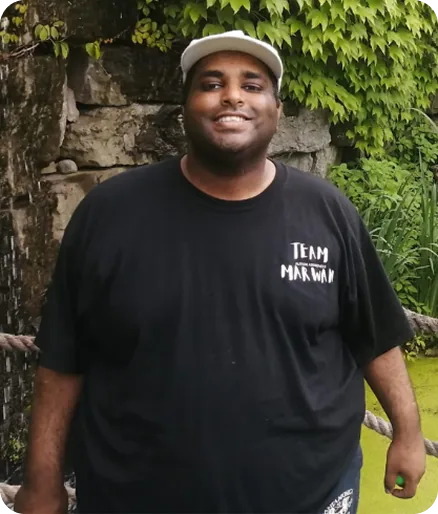
Our StoryIt started when I realised
It started when I realised
it wasn't just Marwan
Mo shadowed his brother's first week at a new centre. What he saw was a team of skilled, committed people working without the information they needed, and not only for Marwan.
The language
His parents learned a language only they could speak
Marwan is autistic and non-speaking. Over years, Mo's parents learned what every gesture, sound and look meant. What calmed him. What overwhelmed him. What a certain cry meant at 2am, and what the same cry meant at 2pm.
None of it was written down, because it never needed to be. It lived in two people.
The first week
Mo shadowed his brother's first week at a new centre
He was there to help the team get to know Marwan. What he ended up watching was how much of the day the staff spent working things out for themselves, with no way to keep what they learned.
And it was not only Marwan. The same thing was happening with every non-speaking person in the building. That was the moment it stopped being a family problem.
The round table
The centre sat the team down and asked
Rather than take Mo's word for it, they ran a discovery session. Support workers, coordinators and family in one room, naming the problems in their own words and answering a lot of questions.
Nobody in that room described a software problem. They described losing the thread on a person, over and over, and having nowhere to put what they knew.
They said yes
Then they helped decide what to build, feature by feature
The centre agreed to pilot it, and did something more useful than agreeing. They told us which of their problems mattered most, and in what order. That is how the first version of MORO got its shape.
Mo and Omnya had the question. The people doing the work had the priorities.
"It wasn't just my brother. It was everyone in that building who couldn't tell you what they needed."
The staff were not careless. They were skilled people who had never been given the information, working in a system with nowhere to keep it. That is the gap MORO was built to close, and it is the same gap in every organization that supports people with complex needs.
How It Was Built
Two organizations, two different jobs
MORO was not specified in a room and then sold. One centre helped decide what to build. Another one changed it while they were using it.
The centre that started it
They set the priorities
The discovery round table gave us the problems in the team's own words, ranked by which ones actually hurt. That decided what the first version of MORO did, and just as importantly what it left out.
DEEN Support Services
Nine features shipped during their pilot
Nine things in MORO exist because a support worker at DEEN said the product was getting in the way, plus more than twenty other fixes. They changed inside the four weeks, not after.
What MORO Is Not
We built the part that was missing
"Not a clinical system. Not an electronic binder."
There are good systems for compliance, billing and clinical records, and organizations should keep them. What Marwan's story exposed was a different gap: the shared, human understanding that makes a shift go well, and the fact that it had nowhere to live. That is the only thing MORO set out to fix.
Who Is Building It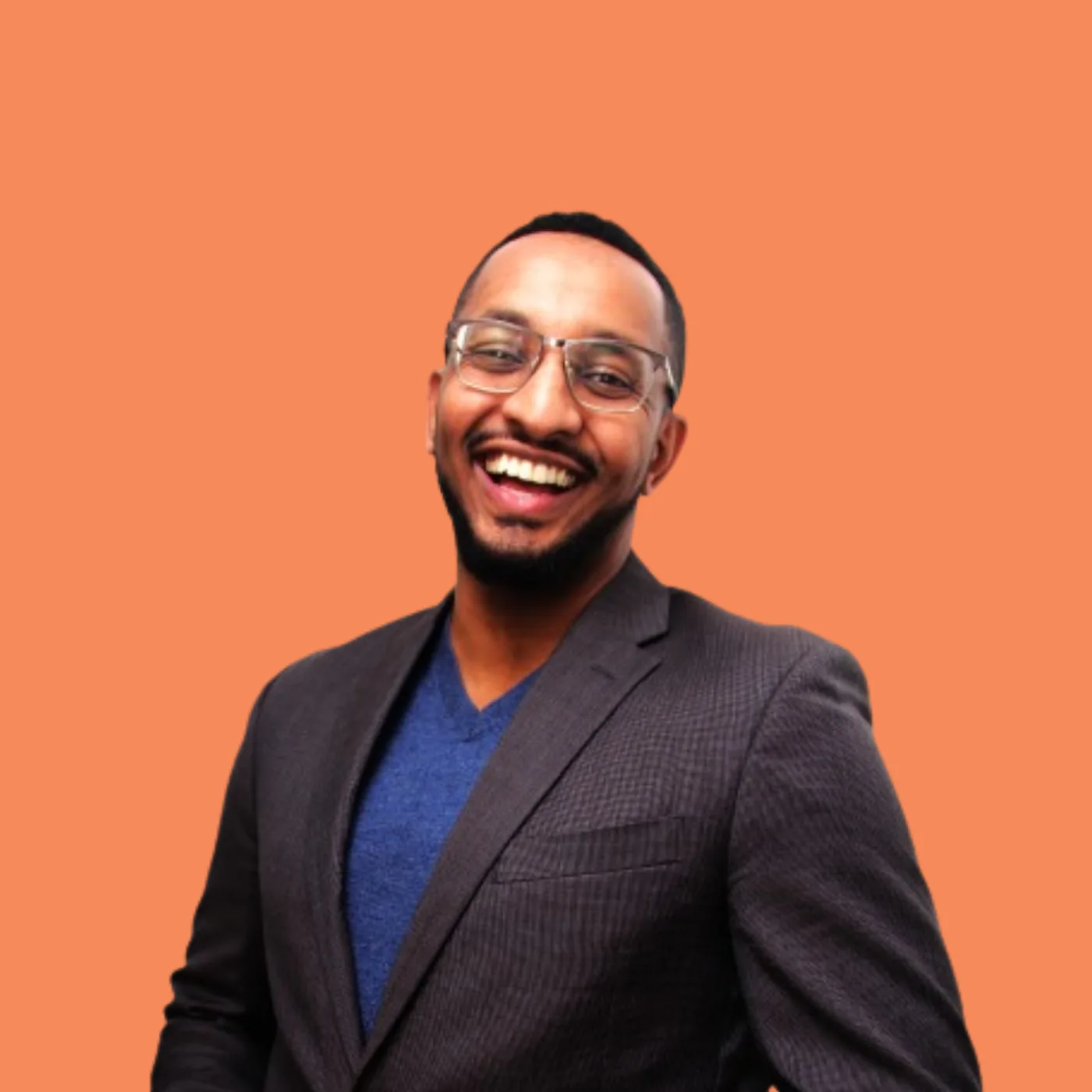
A family, and a team of six
Mohamed Ali
Co-Founder & CEO
Marwan's brother. A mechanical engineer turned entrepreneur, with years in the auto and nuclear sectors and over a decade in real estate. He founded MORO because he lived the problem before he understood it was one.
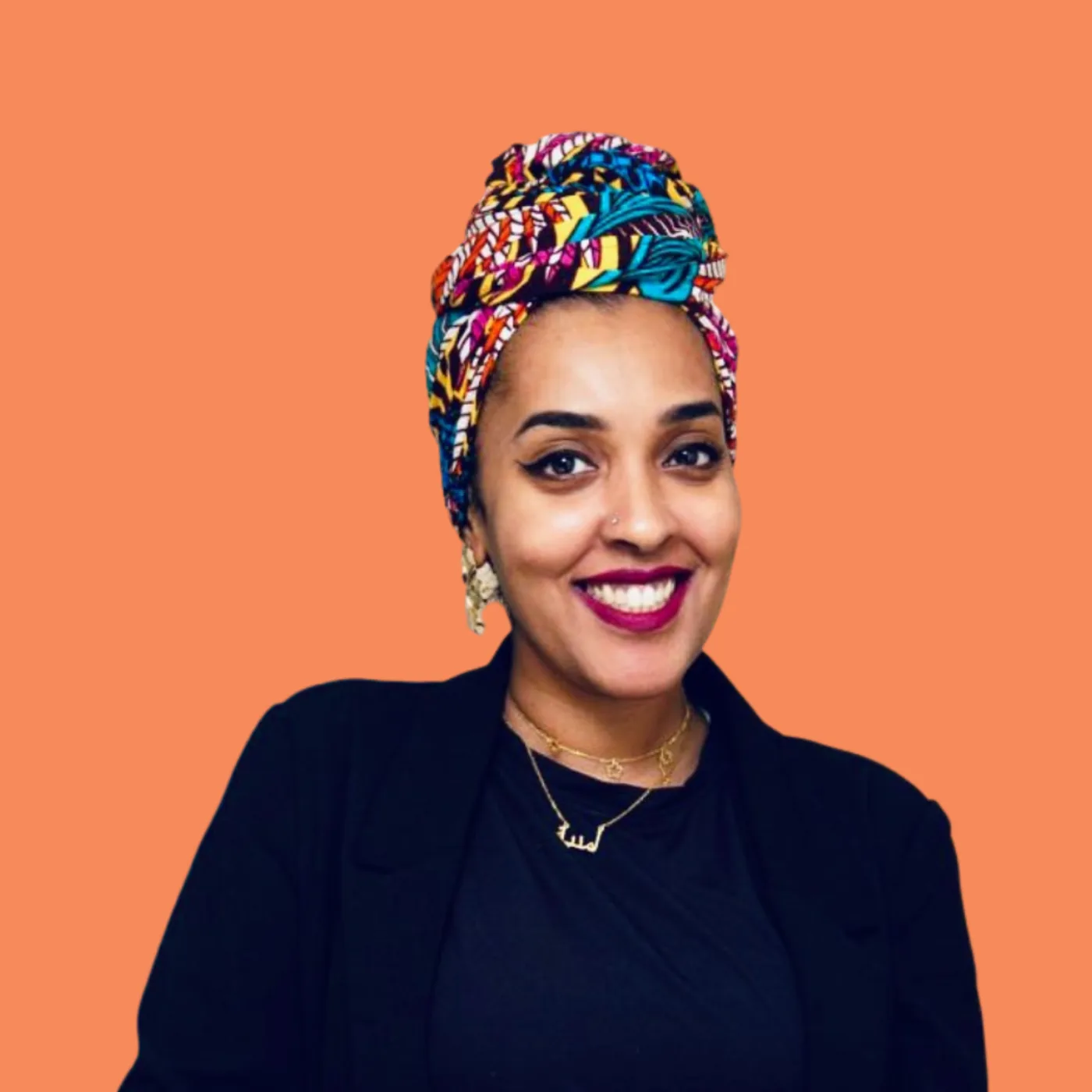
Omnya El Massad
Co-Founder & Data and AI
Has led global healthcare analytics teams and now works as Director of Data and AI at Frazier Healthcare Partners. She brings the discipline of building human-centered products to a category that usually skips it.
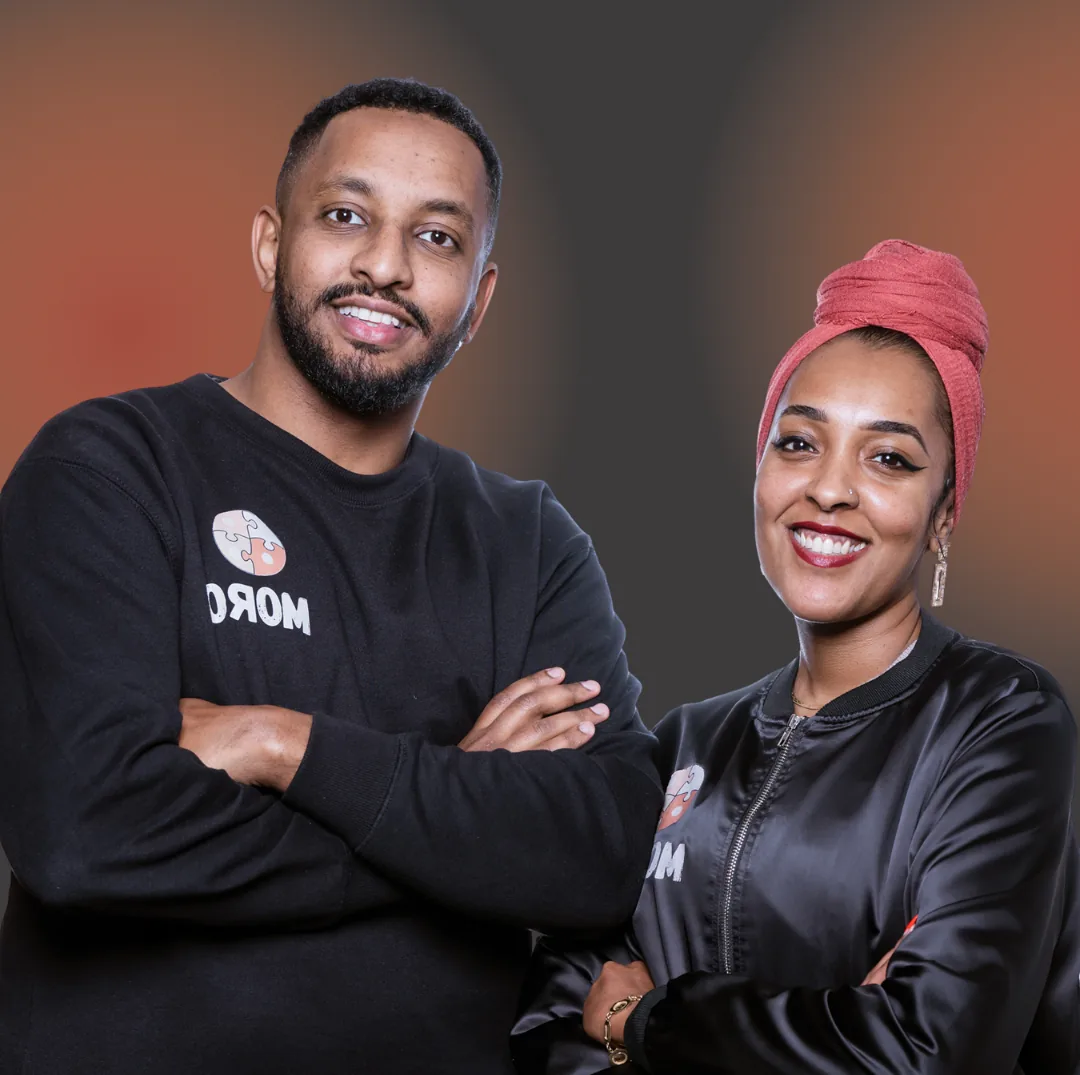
Mo and Omnya. Six people work on MORO, all in-house, no agencies and no contractors.
Where It Is Now
The question has an answer, and it is in use
MORO is live on iOS and Android, free for families forever, and in use at four care organizations across the GTA.
4
Care organizations using MORO across the GTA
90→30
Minutes of daily logging at DEEN Support Services
2
First place, non dilutive awards: Black Founders Network and BEBC
What we have learned
Every pilot teaches us something. Then we build it.
Four pilots completed, eleven features shipped because someone doing the work asked for them. Built with caregivers, for caregivers.
4Pilots completed with care organizations
11Features shipped because a pilot team asked for them
0Cost to the organizations that ran them
90 → 30Minutes of daily logging, measured over a four week pilot
It saves us more than an hour a day. It took our logging from an hour and a half down to 30 minutes.DEEN Support Services, MississaugaRead the full case study
8Staff, 10 participants and 9 family caregivers onboarded together
7 of 10Participants had activity recorded inside the first two weeks
9Of those features came from this one team, plus 22 fixes
Before MORO
What people told us
The three conversations that set the direction, from the people living the problem.
These are from the interviews that led to MORO, before there was an app to have an opinion about. None of them is talking about our product. They are the reason it exists.
“
As a caregiver, it's exhausting trying to learn each new individual's routines from scratch. It takes weeks to sometimes months to fully adapt, and I often feel like I'm starting over every time.
“
I spend so much time trying to communicate basic needs and preferences. It's overwhelming, especially when juggling multiple responsibilities. I wish there was an easier way to bridge the gap.
“
As a mother, I understand my son's needs and routines, but the outside world doesn't. It's heartbreaking to see him struggle with triggers that could have been avoided if others knew how to communicate with him. I need a solution that ensures his needs are understood wherever he goes.
Smart Notifications & Demo Mode
- Redesigned home dashboard with at-a-glance summaries
- Smart notification preferences per team member
- Demo mode to explore the app without signing up a loved one
Task & Routine Management Update
- Assign and manage routines for your loved one
- View and track your loved one's daily progress
- Bug fixes and stability improvements
Moro App Is Officially Live!
- Behavior dictionary with customizable cues
- Support team management & permissions
- Now available on iOS and Android!
The team
The people building it
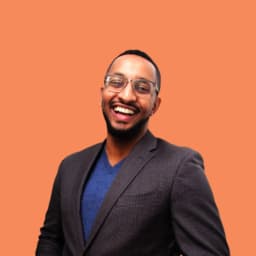 Mohamed AliFounder Of MORO
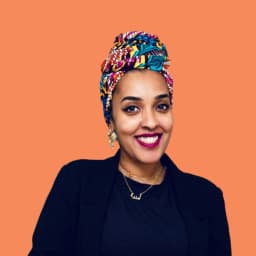 Omnya El MassadCo-Founder Of MORO
 Fadwa AliFull Stack Developer
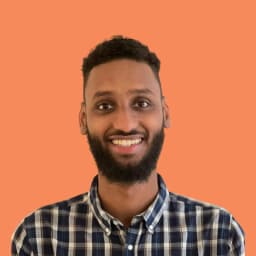 Mojahid JamalApp Developer
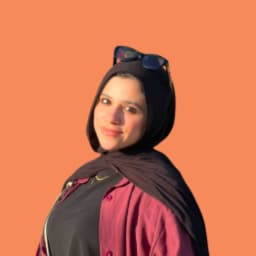 Rahaf WalidUX/UI Designer
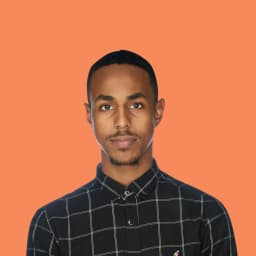 Abdalla AbdelgadirSoftware Developer
Marwan is the reason there is a team
If your organization has the same problem, start with one group for four weeks. If it does not save your team time, you walk away.
info@moroapp.ca · moroapp.ca · Toronto, Canada