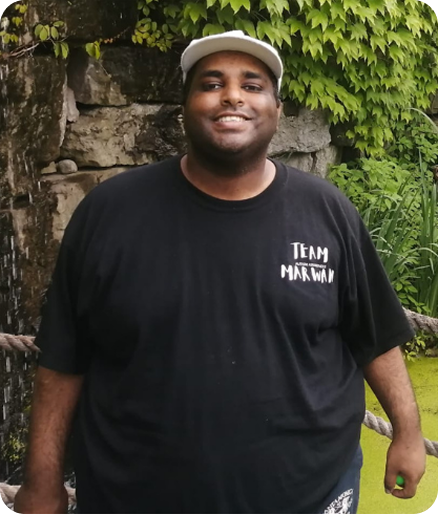
It started when I realised
it wasn't just Marwan
Mo shadowed his brother's first week at a new centre. What he saw was a team of skilled, committed people working without the information they needed, and not only for Marwan.
His parents learned a language only they could speak
Marwan is autistic and non-speaking. Over years, Mo's parents learned what every gesture, sound and look meant. What calmed him. What overwhelmed him. What a certain cry meant at 2am, and what the same cry meant at 2pm.
None of it was written down, because it never needed to be. It lived in two people.
Mo shadowed his brother's first week at a new centre
He was there to help the team get to know Marwan. What he ended up watching was how much of the day the staff spent working things out for themselves, with no way to keep what they learned.
And it was not only Marwan. The same thing was happening with every non-speaking person in the building. That was the moment it stopped being a family problem.
The centre sat the team down and asked
Rather than take Mo's word for it, they ran a discovery session. Support workers, coordinators and family in one room, naming the problems in their own words and answering a lot of questions.
Nobody in that room described a software problem. They described losing the thread on a person, over and over, and having nowhere to put what they knew.
Then they helped decide what to build, feature by feature
The centre agreed to pilot it, and did something more useful than agreeing. They told us which of their problems mattered most, and in what order. That is how the first version of MORO got its shape.
Mo and Omnya had the question. The people doing the work had the priorities.
"It wasn't just my brother. It was everyone in that building who couldn't tell you what they needed."
The staff were not careless. They were skilled people who had never been given the information, working in a system with nowhere to keep it. That is the gap MORO was built to close, and it is the same gap in every organization that supports people with complex needs.
Two organizations, two different jobs
MORO was not specified in a room and then sold. One centre helped decide what to build. Another one changed it while they were using it.
They set the priorities
The discovery round table gave us the problems in the team's own words, ranked by which ones actually hurt. That decided what the first version of MORO did, and just as importantly what it left out.
Nine features shipped during their pilot
Nine things in MORO exist because a support worker at DEEN said the product was getting in the way, plus more than twenty other fixes. They changed inside the four weeks, not after.
We built the part that was missing
"Not a clinical system. Not an electronic binder."
There are good systems for compliance, billing and clinical records, and organizations should keep them. What Marwan's story exposed was a different gap: the shared, human understanding that makes a shift go well, and the fact that it had nowhere to live. That is the only thing MORO set out to fix.
A family, and a team of six
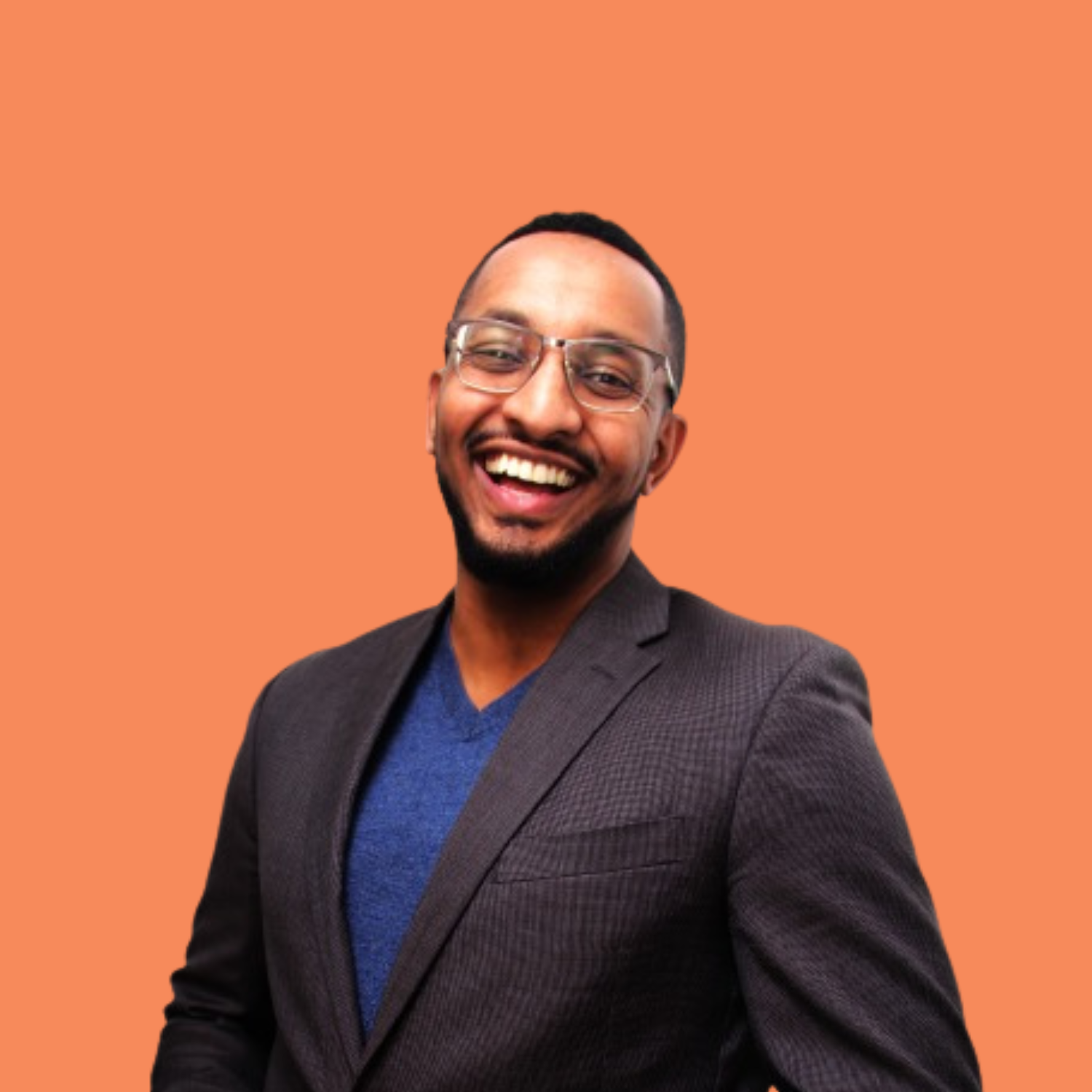
Marwan's brother. A mechanical engineer turned entrepreneur, with years in the auto and nuclear sectors and over a decade in real estate. He founded MORO because he lived the problem before he understood it was one.
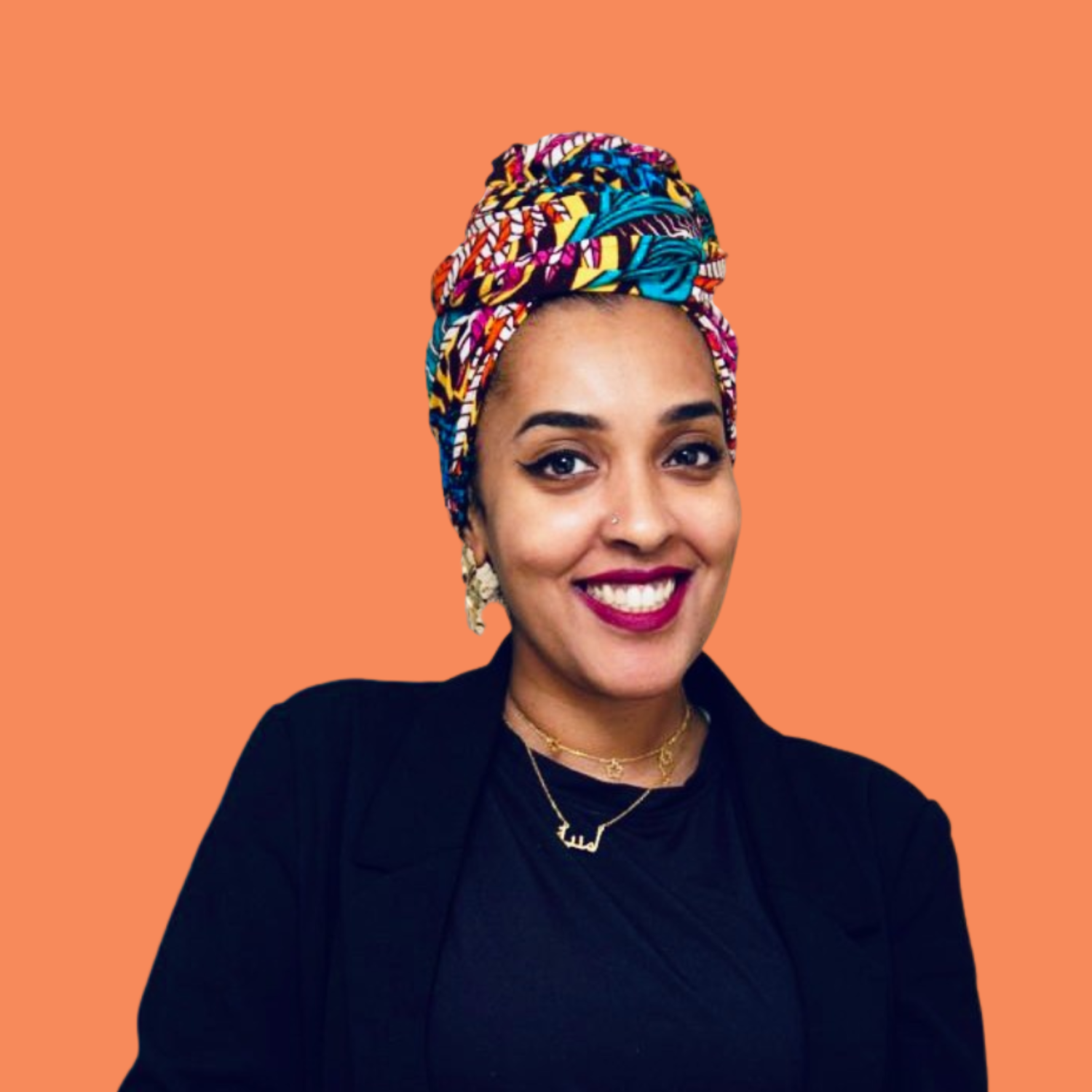
Has led global healthcare analytics teams and now works as Director of Data and AI at Frazier Healthcare Partners. She brings the discipline of building human-centered products to a category that usually skips it.
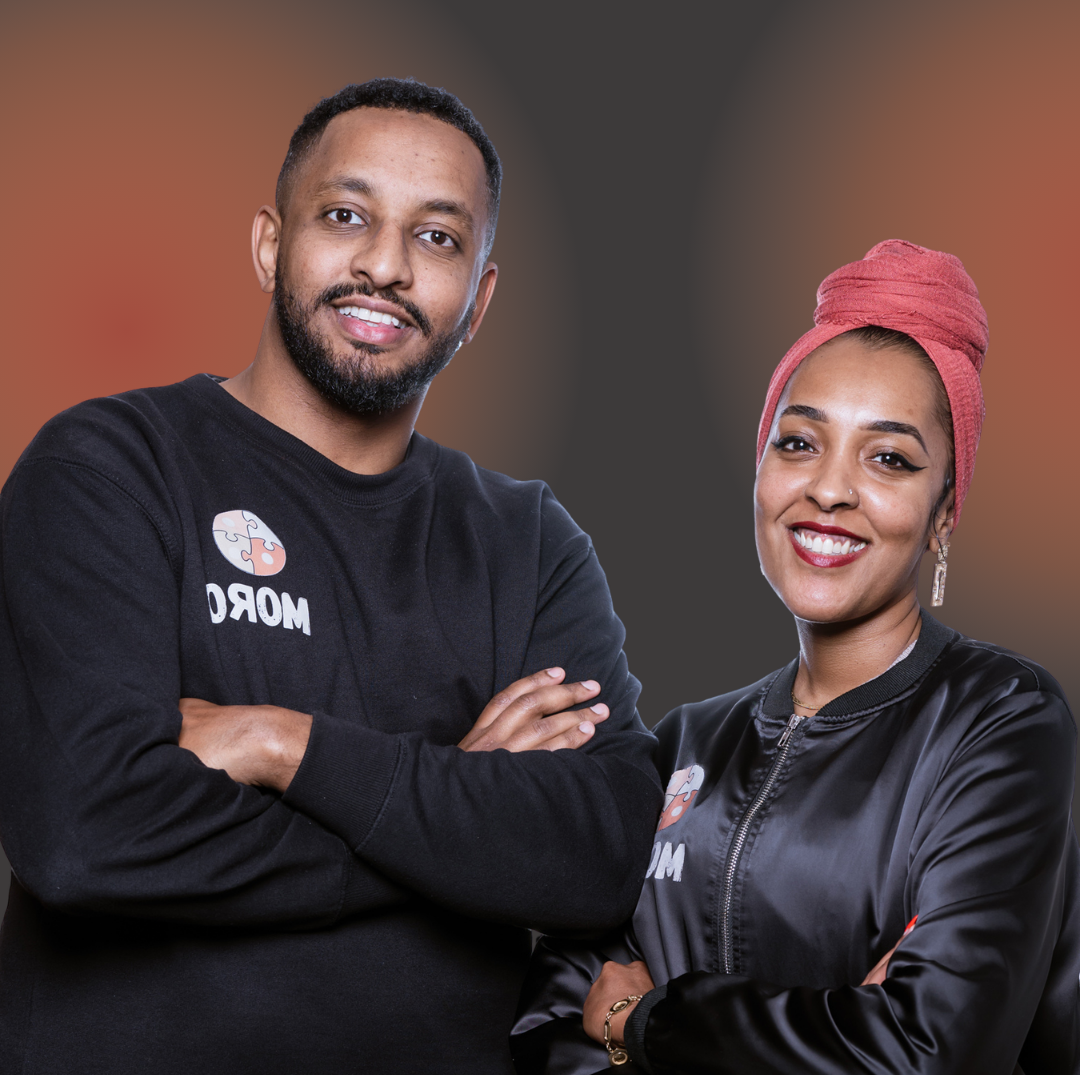
Mo and Omnya. Six people work on MORO, all in-house, no agencies and no contractors.
The question has an answer, and it is in use
MORO is live on iOS and Android, free for families forever, and in use at four care organizations across the GTA.
Every pilot teaches us something. Then we build it.
Four pilots completed, eleven features shipped because someone doing the work asked for them. Built with caregivers, for caregivers.
Cela nous fait gagner plus d'une heure par jour. Notre saisie est passée d'une heure et demie à 30 minutes.DEEN Support Services, MississaugaLire l'étude de cas complète
Ce qu'on nous a dit
Les trois conversations qui ont donné la direction, par les personnes qui vivent le problème.
Ces propos viennent des entretiens qui ont mené à MORO, avant qu'il y ait une application dont on puisse avoir une opinion. Aucun d'eux ne parle de notre produit. Ils sont la raison de son existence.
En tant qu'intervenante, c'est épuisant d'essayer d'apprendre les routines de chaque nouvelle personne à partir de zéro. Cela prend des semaines, parfois des mois, pour bien s'adapter, et j'ai souvent l'impression de tout recommencer à chaque fois.
Je passe tellement de temps à essayer de communiquer les besoins et préférences de base — c'est épuisant, surtout en jonglant avec plusieurs responsabilités. J'aimerais qu'il y ait une façon plus simple de combler cet écart.
En tant que mère, je comprends les besoins et les routines de mon fils, mais le monde extérieur ne les comprend pas. C'est déchirant de le voir se débattre avec des déclencheurs qui auraient pu être évités si les autres savaient comment communiquer avec lui. J'ai besoin d'une solution qui garantit que ses besoins sont compris partout où il va.
Notifications Intelligentes Et Mode Démo
- Tableau de bord d'accueil repensé avec des résumés en un coup d'œil
- Préférences de notifications intelligentes par membre de l'équipe
- Mode démo pour explorer l'application sans inscrire un proche
Mise À Jour De La Gestion Des Tâches Et Des Routines
- Attribuez et gérez des routines pour votre proche
- Consultez et suivez les progrès quotidiens de votre proche
- Corrections de bogues et améliorations de stabilité
L'application Moro Est Officiellement Lancée!
- Dictionnaire des comportements avec signaux personnalisables
- Gestion de l'équipe de soutien et des permissions
- Maintenant disponible sur iOS et Android!
Les personnes qui le construisent
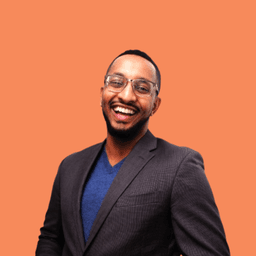 Mohamed AliFondateur De MORO
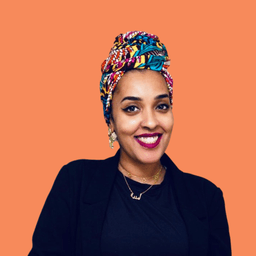 Omnya El MassadCofondatrice De MORO
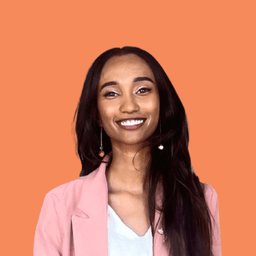 Fadwa AliDéveloppeuse Full Stack
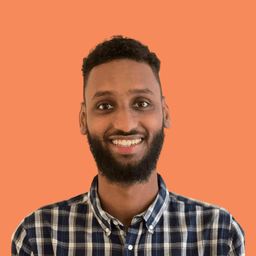 Mojahid JamalDéveloppeur D'applications
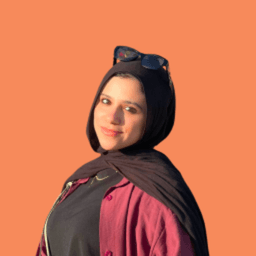 Rahaf WalidDesigner UX/UI
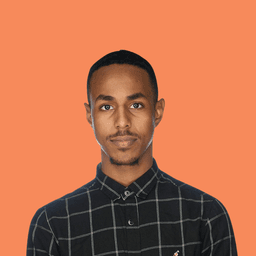 Abdalla AbdelgadirDéveloppeur Logiciel
Marwan is the reason there is a team
If your organization has the same problem, start with one group for four weeks. If it does not save your team time, you walk away.
info@moroapp.ca · moroapp.ca · Toronto, Canada